by Kristi Jain | Jul 16, 2025 | Uncategorized
Hello and happy Wednesday! Today’s blog asks, how is your day going so far? Did you wake up on the wrong side of the bed still tired and a bit grouchy? Perhaps you got a little low spirited when you discovered you still have two days until the weekend. Stick with me for a few minutes and see if I can help elevate your mood a bit.
DO YOU RECALL?
Do you recall the last time you laughed? I don’t mean that perfunctory little chuckle. I mean the kind of laughter when you cry, double over, stomp your foot, slap your knee and snort to the point where you are unable to catch your breath. If you don’t recall, then it is high time you find something to laugh about. Studies show laughter actually has health benefits!
A BIT OF COMIC RELIEF…
Are you aware that 250 lbs. here on Earth is 94.5 lbs. on Mercury? No, I’m not fat. I’m just not on the right planet.
Probably the worst thing you can hear when you’re wearing a bikini is “Good for you!”
Do I lose when the officer says papers and I say scissors?”
Why do dogs always race to the door then the doorbell rings? It’s hardly ever for them.
LAUGHTER IS THE BEST MEDICINE
There is evidence that laughter can do good things for us. Scientists tell us that laughter can lower blood pressure, reduce stress hormones and increase muscle flexion. It increases the circulation of antibodies in the blood stream and makes us more resistant to infection.
HARD EVIDENCE
New evidence finds that laughter helps your blood vessels function better. It acts on the inner lining of blood vessels, called the endothelium, causing vessels to relax and expand increasing blood flow. It is good for your heart and brain which are the two organs that require s steady flow of oxygen carried by the blood.
DON’T DITCH EXERCISE
Michael Miller, M.D., of the University of Maryland reported that in a study of 20 healthy people, provoking laugher did as much good for their arteries as aerobic activity. Although he does not recommend you laugh instead of exercise, he does advise you to get a healthy knee slapping chortle in on a regular basis.
TAKE HEART
Researchers don’t know for certain how laughter benefits that heart muscle but it seems to. Perhaps it comes form the vigorous movement of the diaphragm muscles when you crack up. Additionally it may trigger the release of endorphins that have an effect on the arteries.
NO SUBSTITUTE
It goes without saying that there is no substitute for healthy lifestyle choices, exercise, proper medication and seeing your healthcare provider when indicated. It also goes without saying that laughter is the best medicine. By days end, find something to laugh about and see how it helps. Speaking of help, if we can help with your diagnostic ultrasound needs, call us at 505-350-3397.

by Kristi Jain | Jul 9, 2025 | Uncategorized
Have you ever experienced a feeling of uneasiness when you know something is bothering you but you can’t quite put your finger on it? Recently I experienced that feeling when it dawned on me, I’m overdue for my annual physical exam. It simply slipped my mind.
SOME THINGS CAN’T WAIT
Some things are more critical than others. We can’t get everything done at once however we should prioritize important health related appointments, testing and screening to the top of our list. Early detection saves lives. Some things simply shouldn’t wait.
IN LIEU
In lieu of an uplifting blog this week, we’re going to get down to serious business because it could affect you or someone you love. When was the last time you thought about a stroke, stroke prevention and why it matters? Today is the day.
STROKE
ChatGPT reports that every year, nearly 800,000 people in the US suffer a stroke. Many of these strokes are caused by blocked or narrowed arteries that supply blood to the brain. One of the best tools for detecting these blockages early is a carotid ultrasound.
CAROTID ULTRASOUND TO THE RESCUE
A carotid ultrasound is a non-invasive imaging test that uses sound waves to look at the carotid arteries in your neck. These are the main vessels delivering blood to your brain. This ultrasound helps detect plaque buildup (atherosclerosis), narrowing of the arteries (stenosis) and blood flow abnormalities.
WHO
Certainly you don’t need one because you feel fine, right? Wrong! If you have a history of high blood pressure or high cholesterol, you have smoked in the past, have diabetes, have a family history of stroke or heart disease, you are over age 65 or you have had transient ischemic attacks (TIAs) or mini strokes, you may benefit from a carotid ultrasound.
WHAT
A carotid ultrasound scan is painless and quick. Gel is applied to a small probe called a transducer and is moved along your skin to capture real time images of the arteries in your neck. There are no needles, radiation or recovery time involved. It’s that easy!
WHEN
Anytime is a great time to have your carotid arteries checked. If you feel like you’re at risk, talk to your provider about whether this screening is right for you.
WHERE
At High Desert Diagnostics, it is easy to schedule an appointment to get carotid, arterial, aortic and cardiac screens all in one appointment. The Peace of Mind it provides is powerful!
WHY
Early detection of narrowing or blockages allows your doctor to prescribe medication to lower cholesterol for blood pressure, recommend lifestyle changes, monitor your condition overtime or refer you for surgical intervention if indicated.
HDD
What are you waiting for? This painless scan could save your life! Give High Desert Diagnostics a call at 505-350-3397 to schedule your screening. Our stellar staff will answer any questions you may have, schedule a screening and get you on your way to peace of mind and better health.

by Kristi Jain | Jul 2, 2025 | Uncategorized
Well folks, it looks like we are headed into the sultry days of summer. Here in the “Q” lucked out and got a bit of some much needed precipitation during monsoon season. I’m elated for those warmer temps and all that summer has to offer. With the warmer temps, comes the maintenance of summertime.
WEED AND FEED
This past weekend was hot yet beautiful. John was eager to get outdoors, plant, mow, trim, fertilize, and seed the bald spots in our lawns. As I watched him out the window, weeding and feeding, I got inspiration for this week’s blog. Weed and feed.
ELEVATE OR DECIMATE
My thoughts were interesting as I watched him work on the lawns. He went to great lengths to pull and poison the weeds in an effort to obliterate them. He gave food, water and nutrients to the lawn and plants in an effort to help them thrive. The decision was to elevate or decimate. Then it came to me. Weed the negative and feed the positive. That is precisely how we should consider handling situations in everyday life.
NEGATIVITY TRAP
Have you ever allowed yourself to fall into the “negativity trap?” Perhaps either you or someone around you is a beacon of doom and gloom. Mostly what spews from that person is bellyaching, bitterness, or cynicism. If you are around these people, I urge you to relocate ASAP. If you are one of these people, do some soul searching and see if you can pull yourself out of the doldrums. It is a trap that anyone can fall into. If you keep feeding it, it will grow and infect others around it. Try a more positive approach. Feed the positive and weed the negative.
HOW DOES THIS TIE INTO HEALTH?
I was reading an article from Psychology Today. It reminds us that happy, healthy brains are more creative, quicker and more mentally alert. Every thought releases brain chemicals. Being focused on negative thoughts, saps the brain of it positive forcefulness, slows it down and can go as far as dimming your brain’s ability to function, even creating depression. On the flip side, thinking positive, happy, hopeful, optimistic, joyful thoughts decreases cortisol and produces serotonin, which creates a sense of well-being. This helps your brain function at peak capacity. Happy and healthy go hand in hand!
DIAGNOSIS
If you have been given a diagnosis that is not exactly what you were hoping for, stay optimistic. Try to maintain a positive outlook even in the face of adversity. According to a series of studies from the U.S. and Europe, optimism helps people cope with disease and recover from surgery better. Even more impressive is the impact of a positive outlook on overall health and longevity.
HDD
As always, if we can help put your mind at ease while maintaining good health and when diagnostic ultrasound is indicated, don’t hesitate to call us at 505-350-3397.
by Kristi Jain | Jun 25, 2025 | Uncategorized
This week’s blog will cover something that is disgusting when you think about it. It has nothing to do with ultrasound and everything to do with your health. Many of us do it and have done it for years. Maybe it’s time to reconsider something many of us don’t think about.
CLEANLINESS
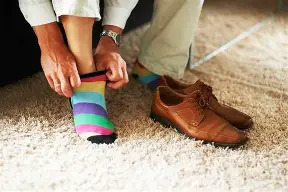
In many Asian cultures, removing your shoes before entering a home is a common practice. Keeping them on indoors is considered unclean and disrespectful. Once we dig a little deeper, it makes sense and it’s something we might consider doing.
LIGHT CARPET
In our home, I chose a light colored carpet for the bedrooms. It is beautiful however dirt really shows. I try to take my shoes off before I enter a carpeted area although I often forget. I don’t think twice about wearing my shoes on the tiled area. Maybe now I will.
GROSS
Chat GPT reminded me why removing your shoes upon entering your home matters. Wearing shoes inside the house can introduce a plethora of health risks. Shoes pick up bacteria like E coli, Clostridium, and salmonella from public places, streets and bathrooms. A study by the University of Arizona found that of the 96% of bacteria on the soles of your shoes, 39% contained fecal bacteria. These microbes can transfer from floors to surfaces increasing the risks of infection especially for babies, people with allergies and anybody with a compromised immune system. That “5 second rule” when you drop food on the floor and can still eat it if you pick it up before 5 seconds is just nasty.
THERE’S MORE
Your shoes can track in pesticides from your lawn or a park. Oils and tars from asphalt collect on the bottom of your shoes as well resulting in that filthy carpet and hard flooring. Repeated exposure can accumulate indoors and be harmful to your health.
THINK ABOUT THE LITTLES
Crawling babies as well as pets who lick their paws could get exposed to allergens, toxins and filth from your shoes. Pollen, mold spores and dust can all attach to your soles worsening allergies and asthma symptoms.
I’LL NEVER REMEMBER
I’ve been wearing shoes inside my home for 62 years. Changing to a no shoe policy won’t be easy. In my opinion, it’s awkward to ask guests to remove their shoes upon entering our home. If that’s something you’d like to consider here are a few suggestions.
- Place a bench shoe rack or mat near the entrance so guests can easily take off and put on their shoes.
- Consider a small sign or welcome mat that says please remove your shoes.
- Offer indoor slippers or socks in a basket for guests.
HDD
The more you adapt to the idea of no shoes indoors, you may notice a significant reduction in filth and possible illness that wearing shoes inside causes. John’s podiatrist may disagree as he thinks going shoeless around the house is not good for your feet. Perhaps slippers or house shoes? You decide. At HDD, we are here to help. If diagnostic ultrasound is

by Kristi Jain | Jun 18, 2025 | Uncategorized
The topic for this week’s blog is overexposure. How much is too much? In last week’s blog we went over the detrimental effects of too much sun, to many chemicals, and too much water. Speaking of overexposure, think back to old fashioned cameras and the disappointment of overexposed film and bad photos. Let’s shine a light on a few examples of overexposure.
BYE BYE KODAK
Thankfully, gone are the days when we had to take our film roll to Walgreens to have it developed only to discover upon pick-up (a week later) that only a few photos were any good. Fortunately modern technology helped include a pretty sophisticated camera on your phone. Look at your camera roll. We have thousands of photos that can be retrieved instantaneously.
OVEREXPOSURE
Chat GPT synopsizes overexposure. Whether it’s to sunlight, chemicals, information, social media or even emotional stress, it can be harmful depending on the content. The following is a breakdown of the most common types of overexposure and the potential problems.
- Sunlight overexposure and too much UV radiation can lead to sunburn, premature wrinkles and spots, heat exhaustion, heatstroke, skin cancer especially melanoma and eye damage.
- Chemical overexposure like sunscreens containing e.g., oxybenzone, octinoxate, household cleaners and industrial fumes or pesticides can cause hormonal disruption, skin irritation, allergic reactions, lung damage if inhaled and organ toxicity with chronic exposure.
- Digital overexposure or too much screen time can lead to mental fatigue and anxiety, insomnia (blue light disrupts melatonin), eye strain and reduced attention span.
- Emotional or social overexposure could result in burnout, vulnerability to judgement or criticism, anxiety or regret after oversharing, and loss of personal boundaries.
- Sensory overexposure can come in the form of too much noise, light or stimulation often causing migraines, irritability and mental exhaustion especially prevalent in those with ADHD and autism.
MODERATION
In order to maintain a sense of balance, mental, physical and emotional health and sustainability, moderation is the key. Too much of anything is not good. Moderation allows for rest, recovery, long-term consistency and space to adjust and grow. Even enjoyable things lose their magic if they are overdone. Once slice of chocolate cake is heaven but hell if you consume a whole cake.
CAREFUL WHAT YOU SAY
Communication in moderation can prevent co-dependency, oversharing, people-pleasing and emotional fatigue for always being “on.” Extremes can lead to quitting, relapse, injury or regret.
IN A NUTSHELL
Moderation creates a strong, flexible foundation that allows you to thrive without breaking down.
HDD
Although we don’t want to risk overexposure, the intent of our weekly HDD blogs is never nonsense. It is designed to inform, enlighten and occasionally amuse you and to remind you if diagnostic ultrasound is indicated, call us at 505-350-3397.

Recent Comments