by Kristi Jain | Sep 3, 2025 | Uncategorized
Thank you for taking time to read this week’s blog. It might enlighten you about something perhaps you didn’t know. Today I had a busy morning of work, the gym, research and writing. When I finished, I was starving. As I ate my lunch I watched a random You-Tube that I thought you might be interested because the subject matter is not only interesting, but it also affects all of us.
I’M STARVING
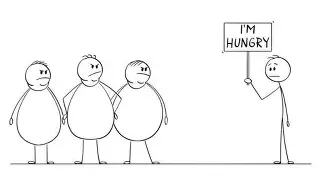
How often do you say or think “I’m starving?” Some people need snacks periodically throughout the day in addition to regular meals. Others remember at 4:00 in the afternoon that they haven’t had anything to eat yet. Studies show that fasting can have myriad health benefits. I’ve been an intermittent faster for years. So, why do some people always feel hungry and others don’t?
GHRELIN
Have you heard of the word ghrelin? Allow me to explain if you haven’t. It is best known as the hunger hormone that plays a crucial role in regulating appetite and energy balance. It produced by cells in the digestive tract, is released in the stomach, then tells your brain that you are hungry. When your tummy is empty, ghrelin is released. It can also be released during stress and at the very sight of food. Are you one of those emotional eaters? This could explain it. When your tummy is stretched and you are full, the release is stopped.
LEPTIN
Leptin is the other hunger hormone and is ghrelin’s counterpart. It is a hormone brought on by fat cells and gets released when your brain decides you are full. Leptin decreases hunger. If you are thin, your levels of leptin are lower. Obese people tend to have built up a resistance to the appetite suppressing effects of leptin.
HEALTHY APPETITES
If it were up to me, I’d nix the ghrelin idea. This pesky little hormone is responsible for a hearty appetite and potentially extra body weight. I think I’m more of a leptin fan. I wonder if Amazon can produce and deliver it overnight? If so, sign me up!
WEB MD/CHAT GPT
I’ve always been such a fan of Web MD. I’ve even watched a healthcare provider consult it when he was unsure. I’ve consulted it often in the past when doing my blog research although now Chat GPT has become my new best friend. It is an incredible source for information including today’s blog.
HDD
At High Desert Diagnostics, we can’t see ghrelin and leptin in the stomach nor can we see much of the actual stomach with ultrasound. There are, however, many things we can see. Diagnostic ultrasound, also called sonography, uses high-frequency sound waves to produce images of many structures within your body. If you and your healthcare provider determine ultrasound is indicated, we hope you immediately think of High Desert Diagnostics. Call us at 505-350-3397 to schedule your appointment possibly as early as today or tomorrow. Now if you’ll excuse me, I’m off to prep dinner. I’m starving!
by Kristi Jain | Aug 26, 2025 | Uncategorized
Thank you for stopping by. Today I’d like to cover something that many are good at and others…not so much. From a golf swing, folding laundry, mowing the lawn, cleaning the garage or cooking a meal, following through is what turns effort into results.
GOLF
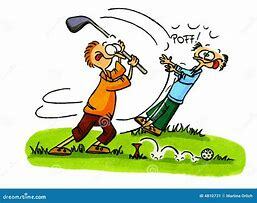
If you’ve ever played or even just watched golf, you understand that the swing doesn’t end when the club makes contact with the ball. The follow through is what gives you power and direction. Without it, the ball won’t go where you are aiming.
BEYOND THE COURSE
The same principle applies beyond the golf course. You can run clothes through the washer and dryer then leave them piled up on the bed or in the laundry basket. The job isn’t finished. You can mow the lawn but if you don’t bag the clippings, run the edger and blow off the sidewalk, the yard doesn’t look complete. You can cook a meal but if you leave dirty dishes piled high, leave a greasy stove and a dirty floor, the job isn’t finished. A half a** attempt won’t bring the satisfaction following through will.
HEALTH
Health is no different. Many of us take the first step which involves scheduling a checkup. We plan on getting the test, screening or intend to follow up on your provider’s recommendation. Often life gets busy and it’s easy to forget. Making the appointment gets put on the back burner, the screening slips your mind and before you know it months or years have gone by. Keep in mind early detection saves lives.
A FEW POINTERS
- Start with an end goal in mind. Picture how great it feels when the laundry is put away, the yard looks manicured, your kitchen isn’t a petri dish of bacteria and your health questions are answered. That image can motivate you to finish.
- Make the next step easy. Put reminders on your calendar, make a list, keep paperwork handy or schedule your appointment before you leave the doctor’s office. Small steps remove excuses.
- Give yourself credit for following through. It’s not about perfection, it’s about building a pattern of completion one step at a time.
BABY STEPS
You don’t have to do everything all at once. Like golf, each shot is played one hole at a time. In health it starts with the first appointment or test. Most importantly, don’t stop halfway. Whether you’re standing on a fairway, staring at the basket of laundry or making time to schedule that health check, remember the follow through. It’s what turns good intentions into actual results.
HDD
At High Desert Doppler, we see firsthand how important follow through is for your health and peace of mind. Diagnostic imaging can give you clear answers. Sometimes it confirms that everything looks normal and other times it catches something early and enough to treat effectively. Either way you win because you “didn’t leave your swing unfinished.” If your health care provider determines that diagnostic ultrasound is indicated, please give us a call at 505-350-3397.
by Kristi Jain | Aug 18, 2025 | Uncategorized
Hello! Hopefully, you had a good night’s sleep and are ready to tackle today, of course that is after you get a jolt of energy from today’s blog. We all know that quality sleep is imperative for better work performance and daily wellbeing. Actually, studies show that if you sleep for shorter periods of time and if you don’t sleep well, it can degrade your mindfulness and attention the following day. Wake up and read on.
IS THAT ALL?
According to a recent study published in the journal Sleep Health, adding just 29 minutes of sleep per night can improve mindfulness the next day. Is that all? Surely we can all manage that, right? Not so fast. If you are anything like me, sometimes the luxury of sleep escapes you for sometimes hours at a time. Some of us would give our eye teeth for that elusive 29 extra minutes.
AUTOPILOT
I’d be willing to bet there is not one among us who doesn’t operate on autopilot periodically throughout our day. How and why do we do this? The reality is, the subconscious takes over and helps us make decisions when we are not being particularly mindful, sometimes due to lack of sleep. We can find ourselves ruminating over the past or anticipating the future. Often this occurs at night when we would like to be snoozing. One thought leads to another then BAM! Good morning.
SERIOUSLY?
Those of us who may have stored up a little extra chub may appreciate the following theory. SCL Health suggests that snoozing a full 8 hours isn’t going to result in losing poundage by itself, but it can help your body from packing on the pounds. Seriously? If you don’t get enough sleep, your body produces ghrelin, a hormone that boosts appetite. Your body also decreases the production of leptin, a hormone that tells you you’re full. That can be a deadly combo for late night snackers. Put down your fork and hit the sack!
TAKE THIS TO HEART
Studies show that not getting enough sleep can lead to heart health problems like high blood pressure and heart attacks. Lack of sleep can cause your body to release cortisol, which is a stress hormone that triggers your heart to work harder. Like your immune system, your heart needs rest in order to function properly.
A WORK IN PROGRESS
Keeping a regular sleep schedule can improve your health and life dramatically. Consistent, quality sleep is especially important for its psychological, emotional, and physical benefits. For many of us, it is a work in progress. Minor changes like engaging in relaxing activities near bedtime can help. Old habits die hard. If you have some pre-bedtime bad habits, develop strategies for a calming pre-sleep routine.
HDD
HDD won’t be much help in the area of your insomnia however we are a huge help when it comes to mobile diagnostic ultrasound. If you find yourself in need of ultrasound, call us at 505-350-3397. Nighty night!
by Kristi Jain | Jul 16, 2025 | Uncategorized
Hello and happy Wednesday! Today’s blog asks, how is your day going so far? Did you wake up on the wrong side of the bed still tired and a bit grouchy? Perhaps you got a little low spirited when you discovered you still have two days until the weekend. Stick with me for a few minutes and see if I can help elevate your mood a bit.
DO YOU RECALL?
Do you recall the last time you laughed? I don’t mean that perfunctory little chuckle. I mean the kind of laughter when you cry, double over, stomp your foot, slap your knee and snort to the point where you are unable to catch your breath. If you don’t recall, then it is high time you find something to laugh about. Studies show laughter actually has health benefits!
A BIT OF COMIC RELIEF…
Are you aware that 250 lbs. here on Earth is 94.5 lbs. on Mercury? No, I’m not fat. I’m just not on the right planet.
Probably the worst thing you can hear when you’re wearing a bikini is “Good for you!”
Do I lose when the officer says papers and I say scissors?”
Why do dogs always race to the door then the doorbell rings? It’s hardly ever for them.
LAUGHTER IS THE BEST MEDICINE
There is evidence that laughter can do good things for us. Scientists tell us that laughter can lower blood pressure, reduce stress hormones and increase muscle flexion. It increases the circulation of antibodies in the blood stream and makes us more resistant to infection.
HARD EVIDENCE
New evidence finds that laughter helps your blood vessels function better. It acts on the inner lining of blood vessels, called the endothelium, causing vessels to relax and expand increasing blood flow. It is good for your heart and brain which are the two organs that require s steady flow of oxygen carried by the blood.
DON’T DITCH EXERCISE
Michael Miller, M.D., of the University of Maryland reported that in a study of 20 healthy people, provoking laugher did as much good for their arteries as aerobic activity. Although he does not recommend you laugh instead of exercise, he does advise you to get a healthy knee slapping chortle in on a regular basis.
TAKE HEART
Researchers don’t know for certain how laughter benefits that heart muscle but it seems to. Perhaps it comes form the vigorous movement of the diaphragm muscles when you crack up. Additionally it may trigger the release of endorphins that have an effect on the arteries.
NO SUBSTITUTE
It goes without saying that there is no substitute for healthy lifestyle choices, exercise, proper medication and seeing your healthcare provider when indicated. It also goes without saying that laughter is the best medicine. By days end, find something to laugh about and see how it helps. Speaking of help, if we can help with your diagnostic ultrasound needs, call us at 505-350-3397.

by Kristi Jain | Jul 9, 2025 | Uncategorized
Have you ever experienced a feeling of uneasiness when you know something is bothering you but you can’t quite put your finger on it? Recently I experienced that feeling when it dawned on me, I’m overdue for my annual physical exam. It simply slipped my mind.
SOME THINGS CAN’T WAIT
Some things are more critical than others. We can’t get everything done at once however we should prioritize important health related appointments, testing and screening to the top of our list. Early detection saves lives. Some things simply shouldn’t wait.
IN LIEU
In lieu of an uplifting blog this week, we’re going to get down to serious business because it could affect you or someone you love. When was the last time you thought about a stroke, stroke prevention and why it matters? Today is the day.
STROKE
ChatGPT reports that every year, nearly 800,000 people in the US suffer a stroke. Many of these strokes are caused by blocked or narrowed arteries that supply blood to the brain. One of the best tools for detecting these blockages early is a carotid ultrasound.
CAROTID ULTRASOUND TO THE RESCUE
A carotid ultrasound is a non-invasive imaging test that uses sound waves to look at the carotid arteries in your neck. These are the main vessels delivering blood to your brain. This ultrasound helps detect plaque buildup (atherosclerosis), narrowing of the arteries (stenosis) and blood flow abnormalities.
WHO
Certainly you don’t need one because you feel fine, right? Wrong! If you have a history of high blood pressure or high cholesterol, you have smoked in the past, have diabetes, have a family history of stroke or heart disease, you are over age 65 or you have had transient ischemic attacks (TIAs) or mini strokes, you may benefit from a carotid ultrasound.
WHAT
A carotid ultrasound scan is painless and quick. Gel is applied to a small probe called a transducer and is moved along your skin to capture real time images of the arteries in your neck. There are no needles, radiation or recovery time involved. It’s that easy!
WHEN
Anytime is a great time to have your carotid arteries checked. If you feel like you’re at risk, talk to your provider about whether this screening is right for you.
WHERE
At High Desert Diagnostics, it is easy to schedule an appointment to get carotid, arterial, aortic and cardiac screens all in one appointment. The Peace of Mind it provides is powerful!
WHY
Early detection of narrowing or blockages allows your doctor to prescribe medication to lower cholesterol for blood pressure, recommend lifestyle changes, monitor your condition overtime or refer you for surgical intervention if indicated.
HDD
What are you waiting for? This painless scan could save your life! Give High Desert Diagnostics a call at 505-350-3397 to schedule your screening. Our stellar staff will answer any questions you may have, schedule a screening and get you on your way to peace of mind and better health.

Recent Comments