
by Kristi Jain | Jun 3, 2025 | Uncategorized
Hello again! Without any further ado, let’s get down to the core subject for this week’s HDD blog. The core is the center, innermost or most essential part of anything. Since the HDD blog normally stays within the subject matter of health, let’s talk about your core.
WHICH CORE?
Today’s blog won’t cover the core of an apple, the earth, an organization, belief, or prediction. The core we will discuss is the one that covers the mid-section of your body. What are your core muscles, where are they located and what are they responsible for?
DID YOU KNOW…
Your core muscles are not just the proverbial “six pack.” In fact your core muscles actually wrap around your entire torso front to back. Your front core muscles are the rectus abdominis known as the “six-pack” which is incidentally invisible to the naked eye if you sport an extra few pounds. These are the muscles that support and stabilize the trunk allowing for movement and protecting internal organs, but wait, that’s not all.
THERE’S MORE
The transverse abdominis are the deepest muscles and act like a corset to stabilize the spine and pelvis. The internal and external obliques are on the sides of the abdomen and help with rotation and side-bending. The diaphragm plays a role in breathing and works the abdominal and pelvic floor muscles to stabilize the core.
GO BACK
Let’s start with the posterior or back muscles. The erector spinae are located along the spine and help with posture and extension of the back. The multifidus are small deep muscles along the vertebrae that stabilize the spine.
NO BUTTS ABOUT IT
Your butt muscles aka your gluteus maximus, medius, and minimus help with hip movement and pelvis stabilization. In addition your iliopsoas muscle is deep in your lower torso the plays a critical role in hip flexion, posture and stabilizing the spine.
WHY DOES THIS MATTER?
Now that you have endured today’s anatomy lesson brought to us courtesy of AI, let’s discuss why these muscles matter. Weak core muscles can contribute to falls especially in older adults which are the leading cause of injury in folks over 65. Strong core muscles support posture, enhance balance, help us bend lift, twist and reduce the risk of injury. Ask any athlete how important it is to have strong core muscles.
HAVE YOU EVER…
Have you ever hurt your back by tying your shoe or getting out of bed? It is actually fairly common. These simple actions strain your lumbar discs and ligaments especially if your core isn’t strong and engaged which can lead to strain, sprain, muscle spasm or even a herniated disc.
BOTTOM LINE
You actually strengthen your core not just during workouts but every time you move with intention, breathe correctly and maintain posture. Stay healthy, stable and remember to strengthen and engage your core. At HDD we can’t help with your core but we can help with diagnostic ultrasound. Call us at 505-350-3397.
by Kristi Jain | May 28, 2025 | Uncategorized
Hello! This week’s blog will cover what seems to be the latest up and coming health craze. Have you heard about or seen a vibration plate? I had not until recently. When I asked John if he knew about them, he informed me that we have had one upstairs for months!
WHO KNEW?
I was unsure about the contraption upstairs so I did some research and have read nothing but positive feedback from people giving testimonials to medical professionals touting the benefits of this contraption. Read on and allow me share what I’ve learned.
WHAT IS IT?
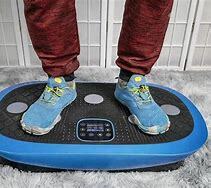
A Vibration plate (aka a whole-body vibration machine) is a platform that vibrates at various frequencies and amplitudes. The user can simply stand or sit as well as perform exercises on them.
WHY?
Vibration stimulates muscle contractions, which can enhance strength and tone when done in tandem with other exercise including squats lunges or push-ups. The stimulation helps loosen muscles potentially increasing flexibility over time. The vibration challenges your balance, which activates stabilizing muscles. Vibration improves circulation and blood flow, helping with muscle recovery, tissue oxygenation and even skin tightness. Some research suggests that the plates may help improve skin firmness by stimulating collagen production and reducing cellulite.
LAST WEEK’S BLOG
If you read the blog last week, you’ll remember we discussed your lymphatic system. Apparently the vibration can assist in moving lymph fluid supporting the immune system and aids in the detoxification process.
BONES
Another benefit is that vibration training can increase bone and mineral density and is potentially helpful for the prevention of osteoporosis. This is great news for mature adults who are concerned about bone loss.
WEIGHT LOSS
Now that I have your attention, I’ve read numerous articles that say although a vibration plate is not a universal remedy for weight loss, it can support calorie burning and fat loss along with a healthy diet and regular exercise. I’m in!
JUST BEGINNING
I’ve just recently started using the vibration plate so I don’t have much experience with improved neuromuscular control or the weight loss. So far I’m very encouraged by the lymphatic stimulation. What I can tell you is it certainly leaves your feel invigorated and uplifted after a 10 minute session. This is due to increased endorphin release.
IS IT FOR EVERYONE?
Research explains that a vibration plate is not for everyone. If you have certain heart conditions, you are pregnant or have implants this may not be the device for you. Prolonged or intense usage of a vibration can lead to various health problems. Like all suggestions concerning your health, always consult your provider before you embark on a new form of diet and exercise.
HDD
I hope you gained some enlightenment from today’s blog. At HDD, your health is our concern. If we can assist you and your healthcare provider in a diagnosis of a condition through diagnostic ultrasound, call us at 505-350-3390.
by Kristi Jain | May 20, 2025 | Uncategorized
Hello! Perhaps you have noticed it has been several weeks since our HDD blog was released. Without specific details, a family member underwent surgery that involved minor complications, hence the blog delay. All is well and there is nothing amiss. As a result of the glitches, I learned a few things.
POST SURGERY
After surgery, some abnormal swelling persisted. Simply explained, the lymphatic system seemed to be compromised. Having little understanding of how the lymphatic system works, I did some research. I learned the lymph system is truly the foundation behind health from the inside out.
LYMPH FOR DUMMIES
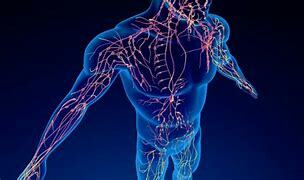
Although I found myriad technical explanations for how the lymph system works, an AI overview simplified it. Think of the lymphatic system like a sanitation system in your body. Lymph is a watery fluid that contains white blood cells called lymphocytes. The lymph vessels are like streets and alleys that collect waste (lymph fluid.) The lymph nodes are small bean shaped organs located along the lymph vessels throughout the body that filter lymph fluid. They are filters that clean the waste before it is returned to the main road, which is the bloodstream, and eventually eliminated through urine, feces, or exhalation depending on the waste content. There is actually twice as much lymph fluid than blood in the body!
IN SIMPLE TERMS
Simply put, the lymphatic system keeps fluid levels in your body balanced, helps your body fight off infection and supports the immune system. When the lymph system is congested, it leads to buildup of fluid in the tissues causing swelling.
JUST TO NAME A FEW…
How do you tell if you have a clogged or sluggish lymphatic system? It can manifest itself in several ways including but not limited to swelling, puffy eyes, fatigue, brain fog, cellulite, overweight, swollen glands, muscle stiffness, headaches, food allergies, anemia, G/I disturbances, acne/skin disorders, and mood swings. Do your homework if these symptoms sound familiar.
WHO KNEW?
The lymphatic system isn’t a subject that generally come up in conversation unless it affects your or yours. Beyondthebite4life.com reports that the blockage can be managed with compression therapy, massage, manual lymphatic drainage by either yourself or a lymphatic massage therapist, physical therapy and exercises (including rebounding/mini trampoline), deep diaphragmatic breathing, improved diet and proper hydration. These can all increase lymphatic function a great deal. It goes on to say, “Get your lymph moving and get your life back.” Of course all these recommendations must come from your health care provider.
ULTRASOUND?
In our situation, the surgeon recommended having diagnostic ultrasound to check and measure pockets of fluid (seromas) as well as looking at the lymph nodes. It proved to be a valuable tool in assessing the current situation as well as further treatment.
HDD
In summary, ultrasound can be useful to differentiate between normal and abnormal in the abdomen, cardiac/vascular system, musculoskeletal system, breast and neck just to name a few. Call us at 505-350-3397 if your healthcare provider determines diagnostic ultrasound is indicated.
by Kristi Jain | Apr 15, 2025 | Uncategorized
Today’s blog asks the question, do you ever have that gut feeling? Of course you do. We all do. What we are now finding is that there is more of a gut/brain connection than previously thought.
DON’T WORRY BE HAPPY
The medical community is now realizing that gut health and its incredible complexity is more important than ever to our overall health. A healthy gut it crucial for a plethora of bodily functions.
LINKS
In the past two decades, numerous studies have shown links between gut health and the immune system, mood, mental health, autoimmune diseases, endocrine disorders, skin conditions and cancer.
WHAT’S THE CONNECTION?
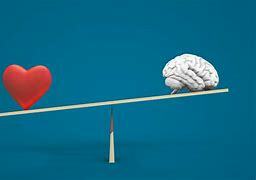
Mercola.com tells us that your brain and gut communicate via the vagus nerve. Recently researchers have come to realize the gut serotonin regulates emotions in a much more complex way than originally thought. Not only can your emotions influence your gut, but your gut can influence your emotions.
PRETTY SIMPLE
Our digestive system was once thought to be a relatively simple body system comprised of one long tube. You eat, it passes through, then comes out the other end. Simple right? Not so fast. According to Dr. E. M. Quigley, his study on gut bacteria says having a variety of “good gut bacteria” can enhance your immune system function, improve symptoms of depression, help combat obesity and provide numerous other benefits. Not as simple as previously thought.
COMMON SIGNS OF AN UNHEALTHY GUT
- Upset stomach
- A high sugar diet
- Unintentional weight changes
- Sleep disturbances
- Constant fatigue
- Skin irritation
- Autoimmune conditions
- Food intolerance
WHAT CAN I DO?
For one, you can try lowering your stress level, which is hard on your body, including your gut. Try getting 7-8 hours of uninterrupted shut eye. Eat slowly so you can get full digestion and absorption of nutrients, which help reduce digestive discomfort and maintain a healthy gut. Drink up. No, not martinis. Staying hydrated has been shown to have a beneficial effect on the mucosal lining of the intestine as well as on the balance of “good” bacteria in the gut. Consult your doc before you try prebiotics. They can promote the growth of beneficial bacteria in the gut, while probiotics are live good bacteria. Check for food intolerances. If you have abdominal pain, bloating, cramping, nausea, fatigue and acid reflux just to name a few, you may have a food intolerance and might want to consider changing your eating habits.
YOUR SECOND BRAIN
Can gut health be the key to happiness? Tone up your digestive system. Keep both brains happy and healthy and moving. When waste passes out of your body in an efficient manner, your gut will produce chemicals like serotonin that keep you feeling good.
HDD
If you and your healthcare provider have a “gut feeling” that you may need an ultrasound exam, give us a call. Although we are unable to see much in the gut or intestines via ultrasound, there are many other things we can see. Our number is 505-350-3397. We are waiting to hear from you!

by Kristi Jain | Apr 1, 2025 | Uncategorized
Hello! How is the world treating you on this beautiful spring day? It is all how you look at it. There is a lot going on. While some have resorted to violence and division, so many of us understand that we can choose to be happy, peaceful, and hopeful.
MEMORIES
One of my childhood memories involved an American humorist by the name of Erma Bombeck. She had a syndicated column describing suburban life from 1965 to 1996. Her column appeared in the newspaper and even though I was young, I appreciated her wisdom.
NO ULTRASOUND REFERENCE TODAY
I normally try to make the blogs relate to healthcare or ultrasound in some way. Today is not one of those days. I don’t claim to be a mental health guru but thought that the inspiration for today’s blog by Ms. Bombeck was a great mental health tune up in a time when we need it. The woman who made the world laugh also had some pretty serious, profound positive thoughts to share.
IF I HAD MY LIFE TO LIVE OVER
I would have gone to bed when I was sick instead of pretending the earth would go into a holding patten if I weren’t there for a day.
I would have burned the pink candle sculpted like a rose before it melted in storage.
I would have talked less and listened more. I would have invited friends over to dinner even if the carpet was stained, or the sofa faded.
I would have taken the time to listen to my grandfather ramble about his youth.
I would have shared more of the responsibility carried by my husband.
I would never have insisted the car windows be rolled up on a summer day because my hair had just been teased and sprayed.
I would have sat on the lawn with my grass stains.
I would have cried and laughed less while watching television and more while watching life.
I would never have bought anything just because it was practical, wouldn’t show soil, or was guaranteed to last a lifetime.
Instead of wishing away nine months of pregnancy, I’d have cherished every moment and realized that the wonderment growing inside me was the only chance in life to assist God in a miracle.
When my kids kissed me impetuously, I would never have said, “Later. Now go get washed up for dinner.” There would have been more “I love yous” and more “I’m sorrys.”
But mostly, given another shot at life, I would seize every minute, look at it and really see it…live it and never give it back.
DON’T SWEAT THE SMALL STUFF
Don’t worry about who doesn’t like you, respect or appreciate you, who has more, or who’s doing what. Instead, let’s cherish the relationships we have with those who do love us.
-Erma Bombeck
A REMINDER…
Although the article feels a bit antiquated, the deeper meaning holds true and I am grateful for the reminder. Live your life to its fullest which includes taking care of yourself. If we can assist you in that endeavor, call us at 505-350-3397.
by Kristi Jain | Mar 19, 2025 | Uncategorized
Today’s blog comes to you courtesy of me listening to motivational and inspirational teachings. I’ve been listening to a book called “The Path Made Clear.” Audible can read it to me in a few hours. I finished the book, then started it again. I’m amazed at what I missed the first time.
PETE AND REPEAT
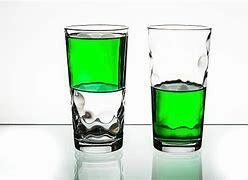
I was moved and inspired. There are many words and thoughts worth repeating. There were myriad ideas I considered profound, but one in particular stuck with me and kept gnawing at my blog brain. The question is, “Is your glass half empty or half full?
WHERE IS THE PITCHER?
Who among us wouldn’t like to live the life of a true optimist? We hear it all the time. Are you a glass half full or a glass half empty kind of person? Although I don’t have much experience with depression, I’d imagine many see their glass as half empty. One of the book’s featured guests said, “It doesn’t matter if the glass is half empty or half full, what matters is that we know where a pitcher is in which to fill it from.”
- OPTIMIST
I am happily married to Mr. Optimist, John Jain. Even when he is down, he is up. I admit to being human and find myself with an occasional bout of doubt or pessimism. When John noticed I had some lower vibrational energy recently and my glass felt only about half full that day he told me, “You ought to read your own blogs.” Noted John, thanks!
A FEW QUOTES
“We can complain because rose bushes have thorns or rejoice because the thorns have roses.”
-Alphonse Karr
“There is nothing that can happen TO you that can’t also happen FOR you…if you’ll let it.”
-Mandy Hale
“Whether your cup is half-full or half-empty, remind yourself that there are others without one.”
-Matshona Dhliwayo
“Dear Optimist, Pessimist and Realist, while you guys were arguing about the glass of water being half full or empty, I drank it.
-The Opportunist
YOUR HEALTH
Whether your mental, emotional or physical “health glass” is half full or half empty, consider locating that pitcher with which you continue to fill it. Let’s face it. We all have some sort of health concern at one time or another. Some things are easily identified and treated. Others are not quite as easy. Whatever your situation, see if you can maintain at least a glass half full and keep pouring. If diagnostic ultrasound is indicated along your health journey, call us at 505-350-3397.

Recent Comments