
by Kristi Jain | Jul 2, 2025 | Uncategorized
Well folks, it looks like we are headed into the sultry days of summer. Here in the “Q” lucked out and got a bit of some much needed precipitation during monsoon season. I’m elated for those warmer temps and all that summer has to offer. With the warmer temps, comes the maintenance of summertime.
WEED AND FEED
This past weekend was hot yet beautiful. John was eager to get outdoors, plant, mow, trim, fertilize, and seed the bald spots in our lawns. As I watched him out the window, weeding and feeding, I got inspiration for this week’s blog. Weed and feed.
ELEVATE OR DECIMATE
My thoughts were interesting as I watched him work on the lawns. He went to great lengths to pull and poison the weeds in an effort to obliterate them. He gave food, water and nutrients to the lawn and plants in an effort to help them thrive. The decision was to elevate or decimate. Then it came to me. Weed the negative and feed the positive. That is precisely how we should consider handling situations in everyday life.
NEGATIVITY TRAP
Have you ever allowed yourself to fall into the “negativity trap?” Perhaps either you or someone around you is a beacon of doom and gloom. Mostly what spews from that person is bellyaching, bitterness, or cynicism. If you are around these people, I urge you to relocate ASAP. If you are one of these people, do some soul searching and see if you can pull yourself out of the doldrums. It is a trap that anyone can fall into. If you keep feeding it, it will grow and infect others around it. Try a more positive approach. Feed the positive and weed the negative.
HOW DOES THIS TIE INTO HEALTH?
I was reading an article from Psychology Today. It reminds us that happy, healthy brains are more creative, quicker and more mentally alert. Every thought releases brain chemicals. Being focused on negative thoughts, saps the brain of it positive forcefulness, slows it down and can go as far as dimming your brain’s ability to function, even creating depression. On the flip side, thinking positive, happy, hopeful, optimistic, joyful thoughts decreases cortisol and produces serotonin, which creates a sense of well-being. This helps your brain function at peak capacity. Happy and healthy go hand in hand!
DIAGNOSIS
If you have been given a diagnosis that is not exactly what you were hoping for, stay optimistic. Try to maintain a positive outlook even in the face of adversity. According to a series of studies from the U.S. and Europe, optimism helps people cope with disease and recover from surgery better. Even more impressive is the impact of a positive outlook on overall health and longevity.
HDD
As always, if we can help put your mind at ease while maintaining good health and when diagnostic ultrasound is indicated, don’t hesitate to call us at 505-350-3397.
by Kristi Jain | Jun 25, 2025 | Uncategorized
This week’s blog will cover something that is disgusting when you think about it. It has nothing to do with ultrasound and everything to do with your health. Many of us do it and have done it for years. Maybe it’s time to reconsider something many of us don’t think about.
CLEANLINESS
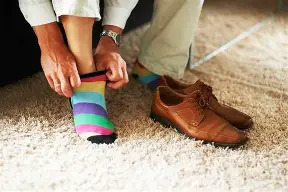
In many Asian cultures, removing your shoes before entering a home is a common practice. Keeping them on indoors is considered unclean and disrespectful. Once we dig a little deeper, it makes sense and it’s something we might consider doing.
LIGHT CARPET
In our home, I chose a light colored carpet for the bedrooms. It is beautiful however dirt really shows. I try to take my shoes off before I enter a carpeted area although I often forget. I don’t think twice about wearing my shoes on the tiled area. Maybe now I will.
GROSS
Chat GPT reminded me why removing your shoes upon entering your home matters. Wearing shoes inside the house can introduce a plethora of health risks. Shoes pick up bacteria like E coli, Clostridium, and salmonella from public places, streets and bathrooms. A study by the University of Arizona found that of the 96% of bacteria on the soles of your shoes, 39% contained fecal bacteria. These microbes can transfer from floors to surfaces increasing the risks of infection especially for babies, people with allergies and anybody with a compromised immune system. That “5 second rule” when you drop food on the floor and can still eat it if you pick it up before 5 seconds is just nasty.
THERE’S MORE
Your shoes can track in pesticides from your lawn or a park. Oils and tars from asphalt collect on the bottom of your shoes as well resulting in that filthy carpet and hard flooring. Repeated exposure can accumulate indoors and be harmful to your health.
THINK ABOUT THE LITTLES
Crawling babies as well as pets who lick their paws could get exposed to allergens, toxins and filth from your shoes. Pollen, mold spores and dust can all attach to your soles worsening allergies and asthma symptoms.
I’LL NEVER REMEMBER
I’ve been wearing shoes inside my home for 62 years. Changing to a no shoe policy won’t be easy. In my opinion, it’s awkward to ask guests to remove their shoes upon entering our home. If that’s something you’d like to consider here are a few suggestions.
- Place a bench shoe rack or mat near the entrance so guests can easily take off and put on their shoes.
- Consider a small sign or welcome mat that says please remove your shoes.
- Offer indoor slippers or socks in a basket for guests.
HDD
The more you adapt to the idea of no shoes indoors, you may notice a significant reduction in filth and possible illness that wearing shoes inside causes. John’s podiatrist may disagree as he thinks going shoeless around the house is not good for your feet. Perhaps slippers or house shoes? You decide. At HDD, we are here to help. If diagnostic ultrasound is

by Kristi Jain | Jun 18, 2025 | Uncategorized
The topic for this week’s blog is overexposure. How much is too much? In last week’s blog we went over the detrimental effects of too much sun, to many chemicals, and too much water. Speaking of overexposure, think back to old fashioned cameras and the disappointment of overexposed film and bad photos. Let’s shine a light on a few examples of overexposure.
BYE BYE KODAK
Thankfully, gone are the days when we had to take our film roll to Walgreens to have it developed only to discover upon pick-up (a week later) that only a few photos were any good. Fortunately modern technology helped include a pretty sophisticated camera on your phone. Look at your camera roll. We have thousands of photos that can be retrieved instantaneously.
OVEREXPOSURE
Chat GPT synopsizes overexposure. Whether it’s to sunlight, chemicals, information, social media or even emotional stress, it can be harmful depending on the content. The following is a breakdown of the most common types of overexposure and the potential problems.
- Sunlight overexposure and too much UV radiation can lead to sunburn, premature wrinkles and spots, heat exhaustion, heatstroke, skin cancer especially melanoma and eye damage.
- Chemical overexposure like sunscreens containing e.g., oxybenzone, octinoxate, household cleaners and industrial fumes or pesticides can cause hormonal disruption, skin irritation, allergic reactions, lung damage if inhaled and organ toxicity with chronic exposure.
- Digital overexposure or too much screen time can lead to mental fatigue and anxiety, insomnia (blue light disrupts melatonin), eye strain and reduced attention span.
- Emotional or social overexposure could result in burnout, vulnerability to judgement or criticism, anxiety or regret after oversharing, and loss of personal boundaries.
- Sensory overexposure can come in the form of too much noise, light or stimulation often causing migraines, irritability and mental exhaustion especially prevalent in those with ADHD and autism.
MODERATION
In order to maintain a sense of balance, mental, physical and emotional health and sustainability, moderation is the key. Too much of anything is not good. Moderation allows for rest, recovery, long-term consistency and space to adjust and grow. Even enjoyable things lose their magic if they are overdone. Once slice of chocolate cake is heaven but hell if you consume a whole cake.
CAREFUL WHAT YOU SAY
Communication in moderation can prevent co-dependency, oversharing, people-pleasing and emotional fatigue for always being “on.” Extremes can lead to quitting, relapse, injury or regret.
IN A NUTSHELL
Moderation creates a strong, flexible foundation that allows you to thrive without breaking down.
HDD
Although we don’t want to risk overexposure, the intent of our weekly HDD blogs is never nonsense. It is designed to inform, enlighten and occasionally amuse you and to remind you if diagnostic ultrasound is indicated, call us at 505-350-3397.

by Kristi Jain | Jun 11, 2025 | Uncategorized
With the dog days of summer ahead of us, we need to be mindful about taking care of ourselves. The sun can be brutal. Those who believe in the benefits of using sunscreen use it. Those who are opposed to dangerous chemicals being absorbed into the bloodstream, take precautions, cover up or stay out of the sun. Don’t forget to hydrate!
SPEAKING OF HYDRATION
The human body is made up of about 60% water but can vary by age, sex and body. Hydration is crucial for temperature regulation, nutrient transport and waste removal. If you are thirsty chances are you are already dehydrated. The general rule for hydration is about 11 cups of water per day for women and 15 cups for men.
SIGNS
How do you know you are dehydrated? Thirst is your first clue. Dry mouth, lips and skin, dark yellow urine, fatigue or dizziness, headache, muscle cramps and sunken eyes are indicative of dehydration. Some studies suggest that drinking enough water can aid in weight loss by increasing your metabolism, making it easier to burn calories. Remember, drink before you are thirsty.
THAT’S THE BAD NEWS…
The good news is that is you are drinking enough water, you will experience several positive changes including improved digestion, clearer skin, increased energy along with better kidney function. Did I mention hydration can even support weight loss? Now that I have your attention, go grab a glass of H2o and keep it going all day every day.
NO BRAINER
Try starting your day with a glass of water when you wake up. Fill your water bottle and take it with you wherever you go. Make sure you know where the bathrooms are! Try to include water rich food like lettuce, watermelon, and cucumbers. If you work out and I hope you do, drink before and after exercise.
HOW MUCH IS TOO MUCH?
There is an old saying that “Too much of a good thing is bad.” The fact is, drinking too much water can be just as risky as not drinking enough. This is called water intoxication aka hyponatremia. Make sure you are consuming enough electrolytes to avoid nutrient deficiencies. The sodium levels in your blood stream can become dangerously low due to dilution.
SYMPTOMS
Your urine should be pale yellow, not crystal clear. If you pee more than every 1-2 hours, your water intake may be excessive. Do you feel nauseous? This could be a result of electrolyte imbalance. Brain cells can become waterlogged causing fatigue and irritability. Use common sense and listen to your body.
HDD
Drinking enough water prior to your ultrasound appointment can help create the best possible image quality and in some cases it is required. Occasionally food or water can create blurry images from gas or stomach content. Always follow specific instructions from High Desert Diagnostics or your healthcare provider because prep depends on what part of the body is being scanned. If we can assist in your need for diagnostic ultrasound, call 505-350-3397.

by Kristi Jain | Jun 3, 2025 | Uncategorized
Hello again! Without any further ado, let’s get down to the core subject for this week’s HDD blog. The core is the center, innermost or most essential part of anything. Since the HDD blog normally stays within the subject matter of health, let’s talk about your core.
WHICH CORE?
Today’s blog won’t cover the core of an apple, the earth, an organization, belief, or prediction. The core we will discuss is the one that covers the mid-section of your body. What are your core muscles, where are they located and what are they responsible for?
DID YOU KNOW…
Your core muscles are not just the proverbial “six pack.” In fact your core muscles actually wrap around your entire torso front to back. Your front core muscles are the rectus abdominis known as the “six-pack” which is incidentally invisible to the naked eye if you sport an extra few pounds. These are the muscles that support and stabilize the trunk allowing for movement and protecting internal organs, but wait, that’s not all.
THERE’S MORE
The transverse abdominis are the deepest muscles and act like a corset to stabilize the spine and pelvis. The internal and external obliques are on the sides of the abdomen and help with rotation and side-bending. The diaphragm plays a role in breathing and works the abdominal and pelvic floor muscles to stabilize the core.
GO BACK
Let’s start with the posterior or back muscles. The erector spinae are located along the spine and help with posture and extension of the back. The multifidus are small deep muscles along the vertebrae that stabilize the spine.
NO BUTTS ABOUT IT
Your butt muscles aka your gluteus maximus, medius, and minimus help with hip movement and pelvis stabilization. In addition your iliopsoas muscle is deep in your lower torso the plays a critical role in hip flexion, posture and stabilizing the spine.
WHY DOES THIS MATTER?
Now that you have endured today’s anatomy lesson brought to us courtesy of AI, let’s discuss why these muscles matter. Weak core muscles can contribute to falls especially in older adults which are the leading cause of injury in folks over 65. Strong core muscles support posture, enhance balance, help us bend lift, twist and reduce the risk of injury. Ask any athlete how important it is to have strong core muscles.
HAVE YOU EVER…
Have you ever hurt your back by tying your shoe or getting out of bed? It is actually fairly common. These simple actions strain your lumbar discs and ligaments especially if your core isn’t strong and engaged which can lead to strain, sprain, muscle spasm or even a herniated disc.
BOTTOM LINE
You actually strengthen your core not just during workouts but every time you move with intention, breathe correctly and maintain posture. Stay healthy, stable and remember to strengthen and engage your core. At HDD we can’t help with your core but we can help with diagnostic ultrasound. Call us at 505-350-3397.
by Kristi Jain | May 28, 2025 | Uncategorized
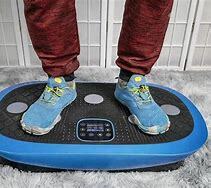
Hello! This week’s blog will cover what seems to be the latest up and coming health craze. Have you heard about or seen a vibration plate? I had not until recently. When I asked John if he knew about them, he informed me that we have had one upstairs for months!
WHO KNEW?
I was unsure about the contraption upstairs so I did some research and have read nothing but positive feedback from people giving testimonials to medical professionals touting the benefits of this contraption. Read on and allow me share what I’ve learned.
WHAT IS IT?
A Vibration plate (aka a whole-body vibration machine) is a platform that vibrates at various frequencies and amplitudes. The user can simply stand or sit as well as perform exercises on them.
WHY?
Vibration stimulates muscle contractions, which can enhance strength and tone when done in tandem with other exercise including squats lunges or push-ups. The stimulation helps loosen muscles potentially increasing flexibility over time. The vibration challenges your balance, which activates stabilizing muscles. Vibration improves circulation and blood flow, helping with muscle recovery, tissue oxygenation and even skin tightness. Some research suggests that the plates may help improve skin firmness by stimulating collagen production and reducing cellulite.
LAST WEEK’S BLOG
If you read the blog last week, you’ll remember we discussed your lymphatic system. Apparently the vibration can assist in moving lymph fluid supporting the immune system and aids in the detoxification process.
BONES
Another benefit is that vibration training can increase bone and mineral density and is potentially helpful for the prevention of osteoporosis. This is great news for mature adults who are concerned about bone loss.
WEIGHT LOSS
Now that I have your attention, I’ve read numerous articles that say although a vibration plate is not a universal remedy for weight loss, it can support calorie burning and fat loss along with a healthy diet and regular exercise. I’m in!
JUST BEGINNING
I’ve just recently started using the vibration plate so I don’t have much experience with improved neuromuscular control or the weight loss. So far I’m very encouraged by the lymphatic stimulation. What I can tell you is it certainly leaves your feel invigorated and uplifted after a 10 minute session. This is due to increased endorphin release.
IS IT FOR EVERYONE?
Research explains that a vibration plate is not for everyone. If you have certain heart conditions, you are pregnant or have implants this may not be the device for you. Prolonged or intense usage of a vibration can lead to various health problems. Like all suggestions concerning your health, always consult your provider before you embark on a new form of diet and exercise.
HDD
I hope you gained some enlightenment from today’s blog. At HDD, your health is our concern. If we can assist you and your healthcare provider in a diagnosis of a condition through diagnostic ultrasound, call us at 505-350-3390.

Recent Comments