
by Kristi Jain | Oct 28, 2025 | Uncategorized
Hello! Let’s jump right in. An episode of Good Morning America inspired today’s blog. The subject du jour is 10,000 steps. Many of us strive for that magic number in order to maintain optimum health. Wait…not so fast. Research suggests that health benefits can be achieved with fewer steps.
BALANCE
For busy people trying to balance work, family, and the demands of daily life, the 10,000 step idea can often be unattainable. The original 10,000 step idea didn’t come from medical research. It began as a 1960s marketing slogan in Japan for a pedometer called “Manpo-kei” meaning 10,000 steps meter.
IT STUCK
The catchy number stuck. Science is now catching up to a more realistic picture of what truly benefits our bodies. Recent studies from Harvard, Mayo Clinic and several global research teams showed that substantial improvements in longevity and disease prevention happen at lower step counts. Adults who averaged 7000 steps per day have a 40 to 50% lower risk of early death compared to those who walk only a couple thousand. For adults over 60, even 6000 steps daily appears to offer major benefits. Beyond that the curve of improvement begins to level out meaning that, while more steps are fine they are not required to maintain a healthy life.
WHAT’S MORE…
It’s not just how many steps we take, it’s how we take them. Research shows that brisk walking or short bursts at a faster pace amplify the cardiovascular and metabolic effects. Instead of worrying about numbers, think “move with intention.” A quick walk around the block between appointments, parking a little further from the door or taking the stairs all count. Consistency matters more than perfection.
INCORPORATING MOVEMENT
Medical professionals spend much time standing or in repetitive postures which can cause fatigue, shoulder, neck and wrist strain as well as back discomfort. Incorporating movement into the workday isn’t just a fitness trend, it’s preventative care. Taking a few steps between exams and stretching while tests or images process or taking a walk during lunch can improve circulation and mental clarity.
IT’S EASY
Walking is simple, free and accessible. It connects beautifully with the “whole body wellness” that we value in diagnostic care. Just as our ultrasounds reveal what’s happening beneath the surface, movements bring life to those hidden systems which are our heart, lungs, vessels and muscles. If you haven’t already done so, activate the step counter on your phone or watch, not as a challenge but as a gentle reminder that health isn’t about perfection it’s about motion, momentum and moving forward one step at a time.
OUR PATIENTS
We encourage our patients to take small, realistic steps toward better health. You don’t need 10,000 steps, you just need to start. If you’re averaging 3000 now, aim for 4000. Once that feels easy move towards 6000. Every bit of progress pays dividends in heart health, blood sugar regulation and mood. If we can help on your journey to better health including diagnostic ultrasound needs, call us at 505-350-3397.

by Kristi Jain | Sep 30, 2025 | Uncategorized
This week’s topic is addiction. When most of us hear the word addiction, our minds immediately jump to smoking, food, drugs or alcohol. Addiction is not always about substances. Often it shows up quietly in the habits we build into our daily lives.
ADDICTION
Addiction at its core is about compulsion that may not look obvious. It’s the repeated behavior we turn to for that dopamine bolus in search of comfort, stimulation or escape. In this fast-paced tech driven world it’s easier than ever to fall into cycles of distraction and dependency.
FOR INSTANCE
So many of us are guilty of compulsively scrolling through social media, checking how many “likes” we got in the last hour, habitually checking emails, waiting for the next text alert, reaching for sugar, caffeine or snacks every few hours or even over committing ourselves to work. We glorify busyness. We normalize being glued to our phones. These patterns may not carry the same stigma that drugs and alcohol do but they do have a powerful grip on our health and well-being.
STRAINS OF ADDICTION
Poor sleep, high stress levels, digestive issues, headaches and even changes in blood pressure can be linked to the strain of everyday addictions. Over time these quiet signals can build into chronic health issues. That’s where awareness and proactive health care make the difference.
BREAK FREE
A powerful tool you can use in breaking free from unhealthy addiction is learning to slow down and check in. Just like a person might choose to take a digital detox or commit to a healthier diet, medical check-ins give us an honest look inside our bodies. The good news is change is possible. Make small intentional choices like putting down the phone for an hour, drink a glass of water instead of a cup of coffee or saying “no” to a commitment that you normally say “yes” to so you can decompress and rest. Each choice is a step toward freedom.
BREAK THE CYCLE
Whether it’s caffeine, nicotine, food, social media, or stress itself, it takes more than willpower to break an addiction. It takes awareness, accountability, and support. Healthcare professionals play a role by offering not just treatment but education and encouragement. When patients see a clear picture of their health, they are motivated to take the small steps that lead to long term change.
HDD
At the end of the day, addiction is not just about what we can’t put down, it’s about what keeps us from fully living. By paying attention to habits that consume our time and energy, and by using tools like ultrasound to stay connected to our health, we can move from compulsive cycles toward intentional healthier living. Think of ultrasound as a way to check in with your health beneath the surface of you skin. It’s a painless noninvasive procedure that can reveal when it’s time to pay attention. If you and your health care provider determined that diagnostic ultrasound is indicated, call us at 505- 350-3357.
by Kristi Jain | Sep 3, 2025 | Uncategorized
Thank you for taking time to read this week’s blog. It might enlighten you about something perhaps you didn’t know. Today I had a busy morning of work, the gym, research and writing. When I finished, I was starving. As I ate my lunch I watched a random You-Tube that I thought you might be interested because the subject matter is not only interesting, but it also affects all of us.
I’M STARVING
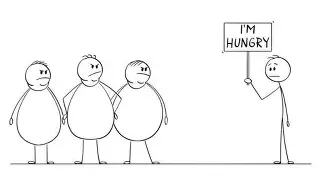
How often do you say or think “I’m starving?” Some people need snacks periodically throughout the day in addition to regular meals. Others remember at 4:00 in the afternoon that they haven’t had anything to eat yet. Studies show that fasting can have myriad health benefits. I’ve been an intermittent faster for years. So, why do some people always feel hungry and others don’t?
GHRELIN
Have you heard of the word ghrelin? Allow me to explain if you haven’t. It is best known as the hunger hormone that plays a crucial role in regulating appetite and energy balance. It produced by cells in the digestive tract, is released in the stomach, then tells your brain that you are hungry. When your tummy is empty, ghrelin is released. It can also be released during stress and at the very sight of food. Are you one of those emotional eaters? This could explain it. When your tummy is stretched and you are full, the release is stopped.
LEPTIN
Leptin is the other hunger hormone and is ghrelin’s counterpart. It is a hormone brought on by fat cells and gets released when your brain decides you are full. Leptin decreases hunger. If you are thin, your levels of leptin are lower. Obese people tend to have built up a resistance to the appetite suppressing effects of leptin.
HEALTHY APPETITES
If it were up to me, I’d nix the ghrelin idea. This pesky little hormone is responsible for a hearty appetite and potentially extra body weight. I think I’m more of a leptin fan. I wonder if Amazon can produce and deliver it overnight? If so, sign me up!
WEB MD/CHAT GPT
I’ve always been such a fan of Web MD. I’ve even watched a healthcare provider consult it when he was unsure. I’ve consulted it often in the past when doing my blog research although now Chat GPT has become my new best friend. It is an incredible source for information including today’s blog.
HDD
At High Desert Diagnostics, we can’t see ghrelin and leptin in the stomach nor can we see much of the actual stomach with ultrasound. There are, however, many things we can see. Diagnostic ultrasound, also called sonography, uses high-frequency sound waves to produce images of many structures within your body. If you and your healthcare provider determine ultrasound is indicated, we hope you immediately think of High Desert Diagnostics. Call us at 505-350-3397 to schedule your appointment possibly as early as today or tomorrow. Now if you’ll excuse me, I’m off to prep dinner. I’m starving!

by Kristi Jain | Aug 26, 2025 | Uncategorized
Thank you for stopping by. Today I’d like to cover something that many are good at and others…not so much. From a golf swing, folding laundry, mowing the lawn, cleaning the garage or cooking a meal, following through is what turns effort into results.
GOLF
If you’ve ever played or even just watched golf, you understand that the swing doesn’t end when the club makes contact with the ball. The follow through is what gives you power and direction. Without it, the ball won’t go where you are aiming.
BEYOND THE COURSE
The same principle applies beyond the golf course. You can run clothes through the washer and dryer then leave them piled up on the bed or in the laundry basket. The job isn’t finished. You can mow the lawn but if you don’t bag the clippings, run the edger and blow off the sidewalk, the yard doesn’t look complete. You can cook a meal but if you leave dirty dishes piled high, leave a greasy stove and a dirty floor, the job isn’t finished. A half a** attempt won’t bring the satisfaction following through will.
HEALTH
Health is no different. Many of us take the first step which involves scheduling a checkup. We plan on getting the test, screening or intend to follow up on your provider’s recommendation. Often life gets busy and it’s easy to forget. Making the appointment gets put on the back burner, the screening slips your mind and before you know it months or years have gone by. Keep in mind early detection saves lives.
A FEW POINTERS
- Start with an end goal in mind. Picture how great it feels when the laundry is put away, the yard looks manicured, your kitchen isn’t a petri dish of bacteria and your health questions are answered. That image can motivate you to finish.
- Make the next step easy. Put reminders on your calendar, make a list, keep paperwork handy or schedule your appointment before you leave the doctor’s office. Small steps remove excuses.
- Give yourself credit for following through. It’s not about perfection, it’s about building a pattern of completion one step at a time.
BABY STEPS
You don’t have to do everything all at once. Like golf, each shot is played one hole at a time. In health it starts with the first appointment or test. Most importantly, don’t stop halfway. Whether you’re standing on a fairway, staring at the basket of laundry or making time to schedule that health check, remember the follow through. It’s what turns good intentions into actual results.
HDD
At High Desert Doppler, we see firsthand how important follow through is for your health and peace of mind. Diagnostic imaging can give you clear answers. Sometimes it confirms that everything looks normal and other times it catches something early and enough to treat effectively. Either way you win because you “didn’t leave your swing unfinished.” If your health care provider determines that diagnostic ultrasound is indicated, please give us a call at 505-350-3397.

by Kristi Jain | Aug 18, 2025 | Uncategorized
Hello! Hopefully, you had a good night’s sleep and are ready to tackle today, of course that is after you get a jolt of energy from today’s blog. We all know that quality sleep is imperative for better work performance and daily wellbeing. Actually, studies show that if you sleep for shorter periods of time and if you don’t sleep well, it can degrade your mindfulness and attention the following day. Wake up and read on.
IS THAT ALL?
According to a recent study published in the journal Sleep Health, adding just 29 minutes of sleep per night can improve mindfulness the next day. Is that all? Surely we can all manage that, right? Not so fast. If you are anything like me, sometimes the luxury of sleep escapes you for sometimes hours at a time. Some of us would give our eye teeth for that elusive 29 extra minutes.
AUTOPILOT
I’d be willing to bet there is not one among us who doesn’t operate on autopilot periodically throughout our day. How and why do we do this? The reality is, the subconscious takes over and helps us make decisions when we are not being particularly mindful, sometimes due to lack of sleep. We can find ourselves ruminating over the past or anticipating the future. Often this occurs at night when we would like to be snoozing. One thought leads to another then BAM! Good morning.
SERIOUSLY?
Those of us who may have stored up a little extra chub may appreciate the following theory. SCL Health suggests that snoozing a full 8 hours isn’t going to result in losing poundage by itself, but it can help your body from packing on the pounds. Seriously? If you don’t get enough sleep, your body produces ghrelin, a hormone that boosts appetite. Your body also decreases the production of leptin, a hormone that tells you you’re full. That can be a deadly combo for late night snackers. Put down your fork and hit the sack!
TAKE THIS TO HEART
Studies show that not getting enough sleep can lead to heart health problems like high blood pressure and heart attacks. Lack of sleep can cause your body to release cortisol, which is a stress hormone that triggers your heart to work harder. Like your immune system, your heart needs rest in order to function properly.
A WORK IN PROGRESS
Keeping a regular sleep schedule can improve your health and life dramatically. Consistent, quality sleep is especially important for its psychological, emotional, and physical benefits. For many of us, it is a work in progress. Minor changes like engaging in relaxing activities near bedtime can help. Old habits die hard. If you have some pre-bedtime bad habits, develop strategies for a calming pre-sleep routine.
HDD
HDD won’t be much help in the area of your insomnia however we are a huge help when it comes to mobile diagnostic ultrasound. If you find yourself in need of ultrasound, call us at 505-350-3397. Nighty night!

Recent Comments